Where Analytics Meets Excellence CMMI High Maturity for Competitive Advantage

CMMI High Maturity (ML4 & ML5) Implementation Approach

4. Scope of the Engagement

Included in Scope

  • Organizational Unit (OU) Definition

  • High Maturity practices integration (ML4 & ML5)

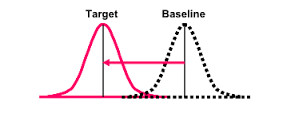
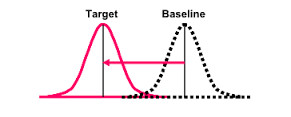
  • Identification and establishment of Process Performance Baselines (PPBs)

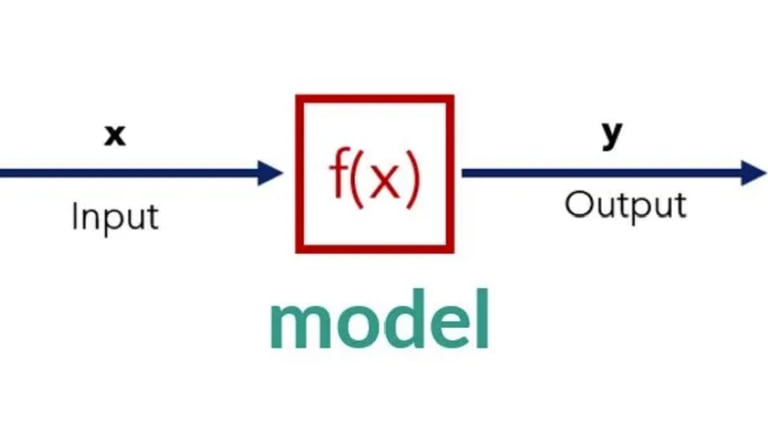
  • Identification and development of Process Performance Models (PPMs)

  • Statistical process control (SPC) implementation

  • Organizational performance dashboards

  • Project-level quantitative management

  • Preparation for Benchmark Appraisal (Dev/SVC/High Maturity)

1. Executive Summary

This proposal outlines a comprehensive approach to implement CMMI High Maturity (ML4 & ML5) practices within your organization. High Maturity focuses on predictability, statistical process control, quantitative management, and continuous optimization of development and service performance.

Achieving ML4/ML5 will enable your organization to:

  • Improve predictability of cost, schedule, and quality

  • Optimize process performance using quantitative models

  • Apply statistical techniques to control process variation

  • Achieve breakthrough performance improvements

  • Strengthen customer confidence and differentiate in global markets

Our approach ensures an end-to-end, hands-on implementation aligned with the CMMI V3.0 model for Development, Services, or Combined Multi-Model Appraisal.

7.Implementation Approach

PHASE 1: Initiation & High-Maturity Gap Analysis (Weeks 1–4)

Activities

  • Define OU and project selection

  • Stakeholder workshops

  • High-Maturity Gap Assessment (ML4 & ML5)

  • Evaluate existing metrics, baselines, dashboards

  • Identify statistical capability gaps

Deliverables

  • HM Gap Analysis Report

  • Data Maturity Assessment

  • HM Implementation Plan

  • Project Inclusion List

PHASE 2: High Maturity Process Definition & QMS Integration (Weeks 4–10)

Activities

  • Define high maturity policies & governance

  • Define HM measurement framework

  • Create HM SOPs: PPB, PPM, SPC, CAR

  • Build capability for measurable business objectives (MBOs)

  • Develop standard data definitions and data quality rules

Deliverables

  • Measurement & Analysis Framework (MAF)

  • High Maturity Process Set (ML4 & ML5)

  • Updated QMS Repository

  • Standard KPIs & Operational Definitions

PHASE 3: Establish Process Performance Baselines (PPBs) (Weeks 8–16)

Activities

  • Identify subprocesses influencing performance

  • Collect historical data

  • Data cleaning, validation & normalization

  • Statistical analysis (Distribution, Control Limits, Capability Index, Sigma Level)

  • Establish Stability & Capability of subprocesses

Deliverables

  • PPB Statistical Reports

  • Variable & Attribute Control Charts

  • Subprocess Capability Index (Cpk, Ppk)

  • PPB Dashboard

PHASE 4: Develop Process Performance Models (PPMs) (Weeks 12–20)

Activities

  • Identify critical Xs (predictors) affecting performance outcomes

  • Perform regression, correlation, DOE, ANOVA, time series

  • Build predictive models for:

    • Defect prediction

    • Schedule variance prediction

    • Effort estimation

    • SLA performance forecasting

  • Validate & Monitor PPMs

Deliverables

  • PPM Documentation

  • Validated Predictive Models

  • PPM Usage Guidelines

  • Predictive Dashboards

PHASE 5: Quantitative Project Execution (Weeks 20–32)

Activities

  • Implement QM at project level

  • Baseline vs actual comparison

  • Apply control charts for project performance

  • Risk-based quantitative intervention

  • Data-driven decision reviews

Deliverables

  • Project QPM Reports

  • SPC Control Charts

  • MBO Achievement Report

  • Quantitative Management Tracker

PHASE 6: ML5 Optimization & CAR Rollout (Weeks 24–36)

Activities

  • Identify chronic performance issues

  • Perform advanced CAR using:

    • Fishbone

    • Why-Why

    • FMEA

    • Regression root cause

  • Implement optimized subprocess changes

  • Demonstrate measurable performance improvement

Deliverables

  • CAR Reports

  • Optimized Process Implementations

  • Benefit Realization Reports

PHASE 7: Appraisal Preparation (Weeks 32–44)

Activities

  • Evidence audit and PII mapping

  • HM rehearsal and dry runs

  • ATM preparation

  • Appraisal-ready evidence creation

  • Fix appraisal gaps

Deliverables

  • ML4/ML5 Evidence Repository

  • PII Worksheets

  • Readiness Report

5.Project Duration & Timeline
  • ML 4 Implementation: 4 ~ 6 months

  • ML 5 Implementation: 3~4 months

    Total Estimated Duration: 6~12 months

2. Expected Benefits for the Organization

ML4 Benefits

· Predictable project outcomes

· Reduced cost and cycle time

· Statistically controlled processes

· Data-driven decision making

ML5 Benefits

· Predictive performance modeling

· Business-level optimization and automation

· Consistent reduction in defects and rework

· Measurable improvement in customer satisfaction

3.Tools & Technology Support

We use industry-standard tools for HM implementation:

  • Minitab / Python / R for statistical modeling

  • Power BI / Tableau for dashboards

  • Jira / ServiceNow for service metrics

  • Excel PPB/PPM templates

  • CMMI-compliant QMS repositories

Why Choose Us
  • 20+ years of Process, Quality & CMMI experience

  • Certified High Maturity Appraisal Team Member (ATM) – Dev + SVC + HM

  • Successfully implemented CMMI HM for global clients (US, India, Middle East, Pakistan)

  • Strong expertise in predictive modeling, statistical analysis, SPC, and Six Sigma

  • End-to-end capability from QMS → PPB → PPM → HM Appraisal

  • Tailored, business-focused approach (no generic templates)

  • Experience across services, development, cybersecurity, consulting, and IT operations

Predict the future

You didn’t come this far to stop

black blue and yellow textile